The Science Behind Window Tint: From Heat Control to Melbourne Window Frosting
Introduction: A Case-Study Method for Window tint and Melbourne window frosting

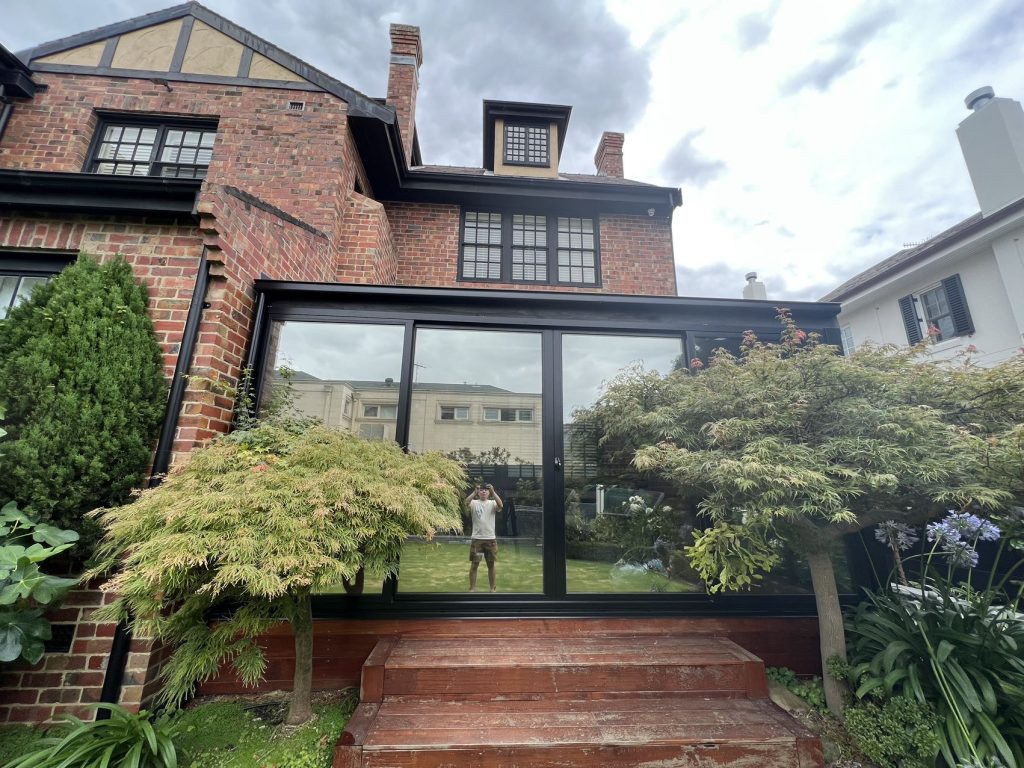
To really profit from window tint and Melbourne window frosting, one must comprehend the science underlying these products. Both systems use sophisticated film structures to manipulate heat and light. Melbourne window frosting disperses visible light to provide privacy without darkening interiors, whereas window tint employs layers made to reflect infrared radiation and filter UV rays. Homeowners may turn regular glass into thermal barriers that lower energy costs and increase comfort by adding precisely designed coatings. Discover how these complementary solutions combine to make life more comfortable and effective

The Reflection and Absorption of Solar Heat by Window tint Films

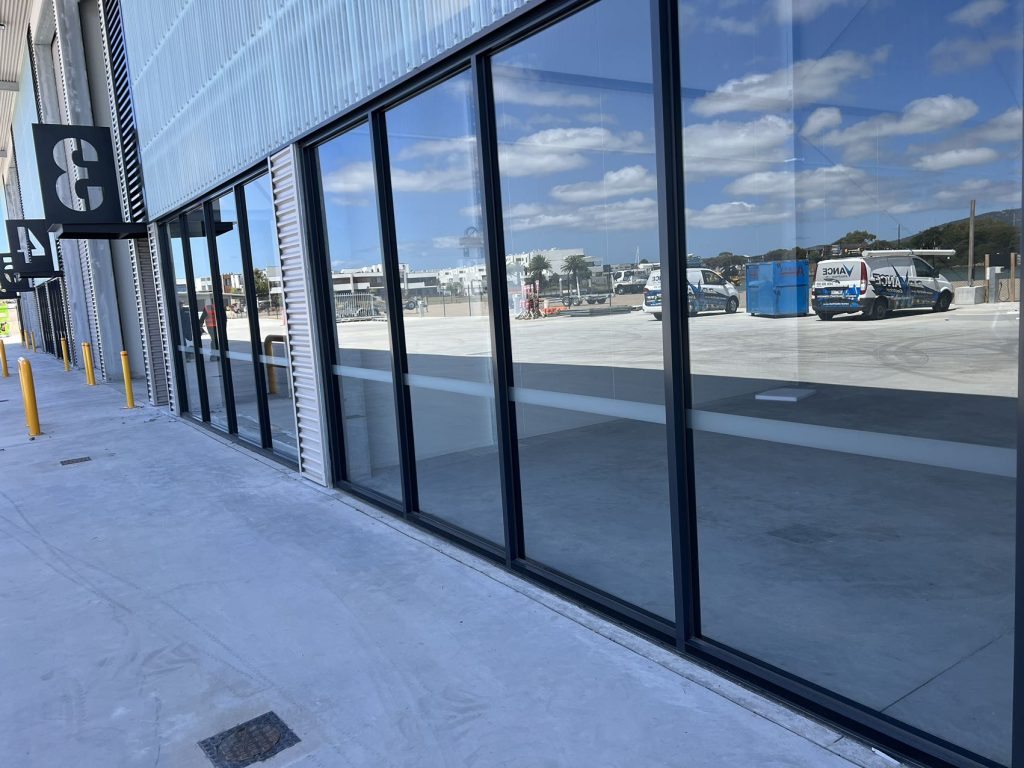
Modern window tint controls solar heat intake by utilizing both absorption and reflection. Clear views are maintained by allowing a predetermined percentage of visible light to pass through while infrared wavelengths are reflected back outside. If heat does get through, it is absorbed by specialized layers and then dispersed over the film’s surface to keep it out of your house. Before heat hits the glazing, it may be further diffused and reflected by engineering Melbourne window frosting with micro-etched patterns. Combining reflective and absorptive film technologies may reduce peak solar heat gain by as much as 70%, reducing reliance on air conditioners and lowering overall energy consumption, according to CSIRO.
Mechanisms of UV Protection in Window tint Materials

One of the primary functions of high-quality window tint films is to block dangerous UV rays. Metalized, dye-based, and nano-ceramic coatings all contribute: ceramic nanoparticles scatter and block up to 99% of UVA and UVB exposure, metal particles reflect UV rays, and dyes absorb them. These systems stop interior fading and safeguard the skin health of the tenants. In order to ensure that privacy films serve as protective barriers, Melbourne window frosting films can additionally include UV-blocking additives. UV-blocking films are advised by the Cancer Council Australia as an essential home safety precaution because they lower the risk of skin damage and protect floors, artwork, and furniture from irreversible sun damage.

Technological Developments in Melbourne window frosting

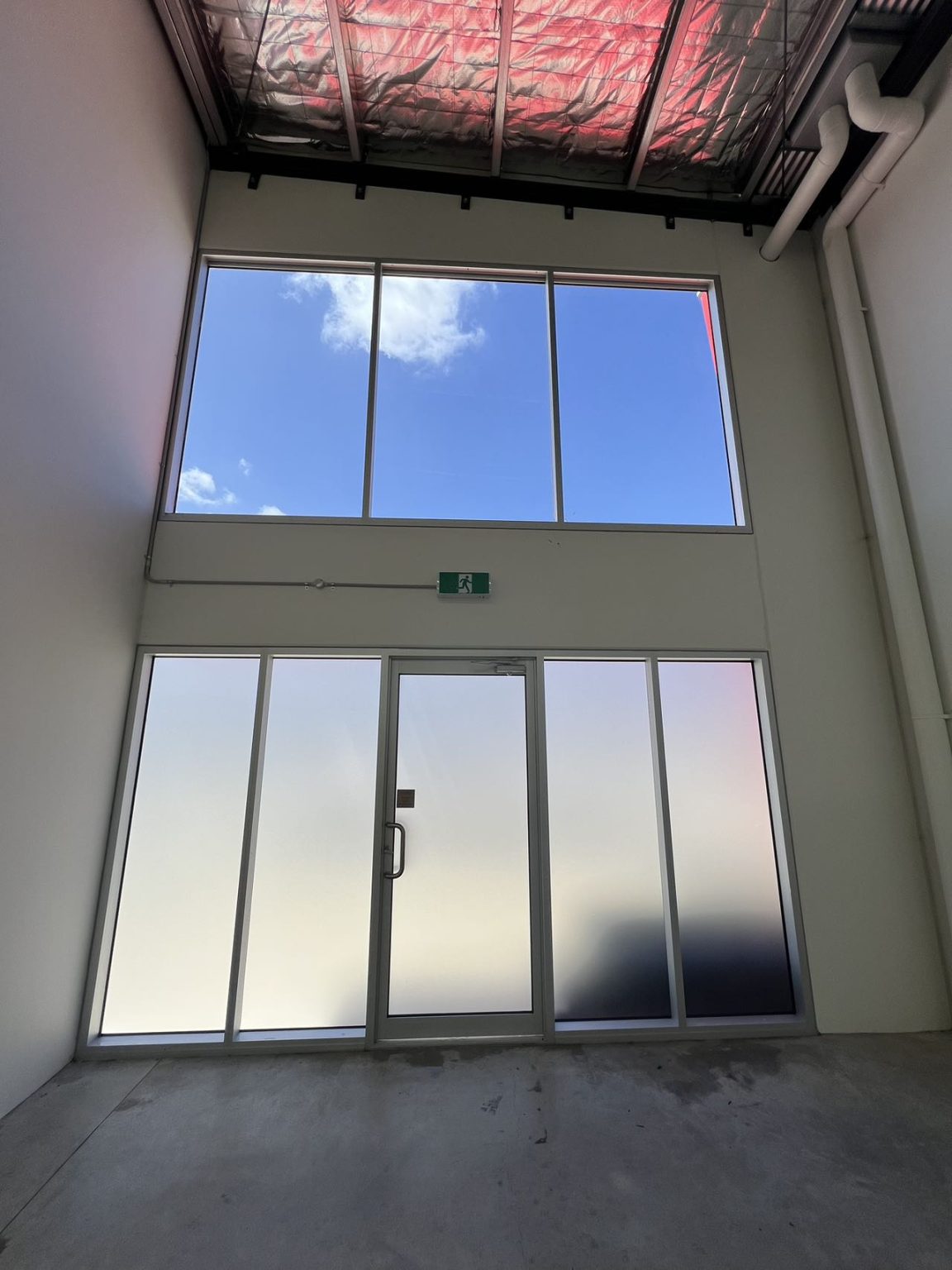
Recent advancements have transformed Melbourne window frosting from a purely decorative option into a high-performance solution. Laser-etched microstructures create precise light diffusion, maintaining brightness while blocking direct lines of sight. Hybrid frosting films now combine reflective window tint coatings with frosting patterns to provide thermal control and privacy in one application. These multi-layer products adhere seamlessly to any glass type and can be custom-cut to suit intricate designs or brand logos. Discover the latest options that marry aesthetics with functionality for modern Australian homes.
Energy Savings Quantification: HVAC Load Reduction Research

Combining window tint and Melbourne window frosting can significantly reduce HVAC demand, according to empirical research. High-performance films decrease heat loss in the winter by retaining up to 50% of indoor warmth and can cut summer cooling demands by up to 30%. Properties with certified window films consistently report lower power use and peak demand fees, per the Australian Government Energy Rating scheme. Homeowners may reduce utility costs and carbon footprints simultaneously by blending reflective window tint with diffusive frosting films, achieving balanced thermal performance and faster payback periods.

Functional and Aesthetic Design: Privacy Control and Light Diffusion

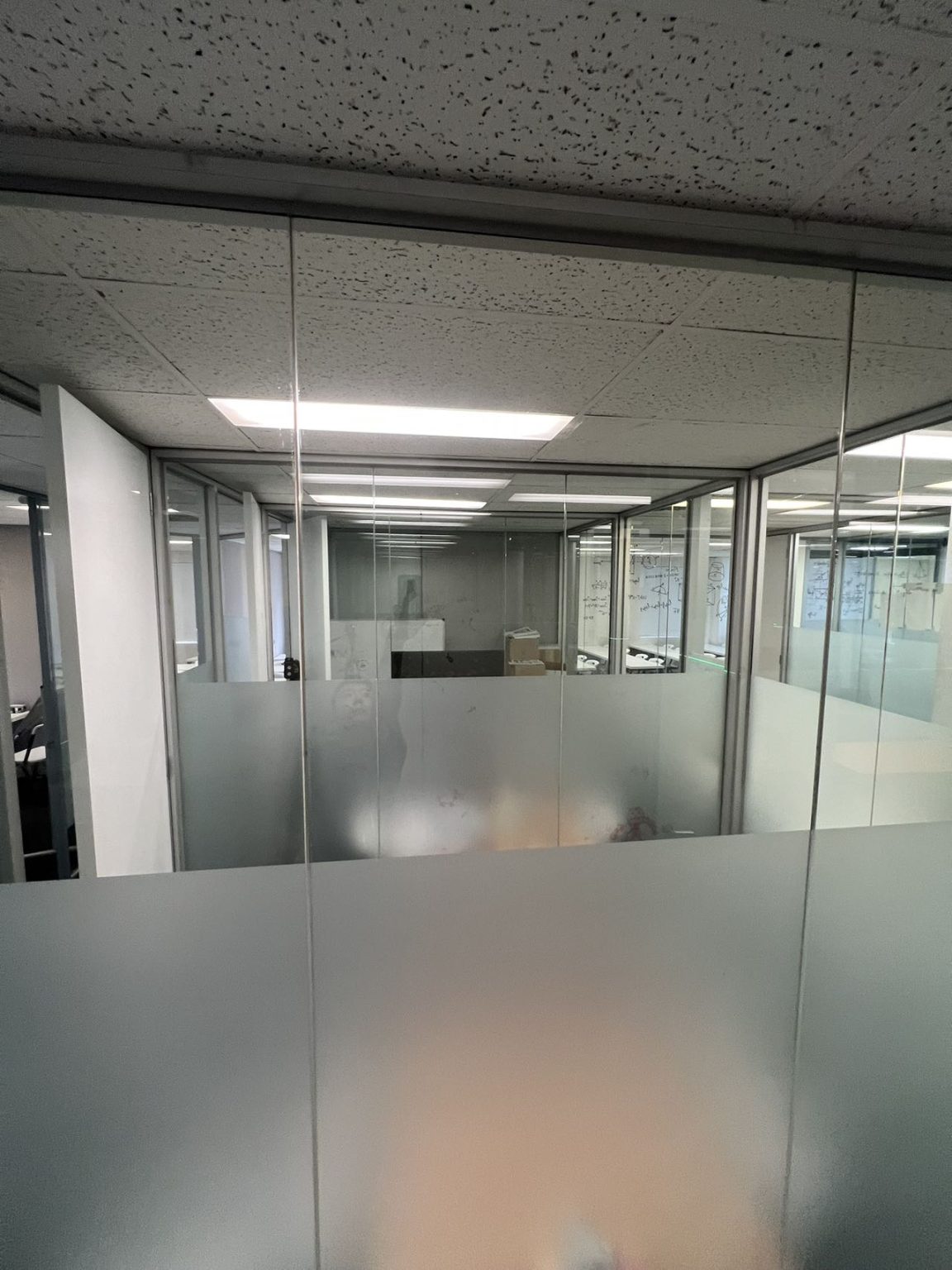
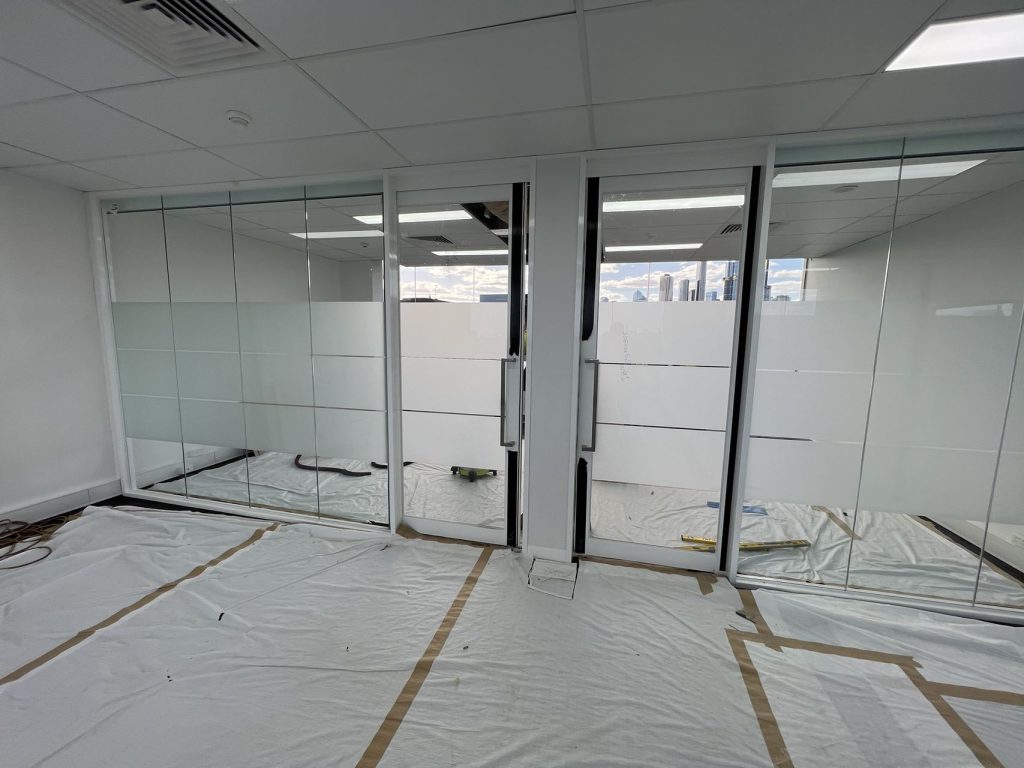
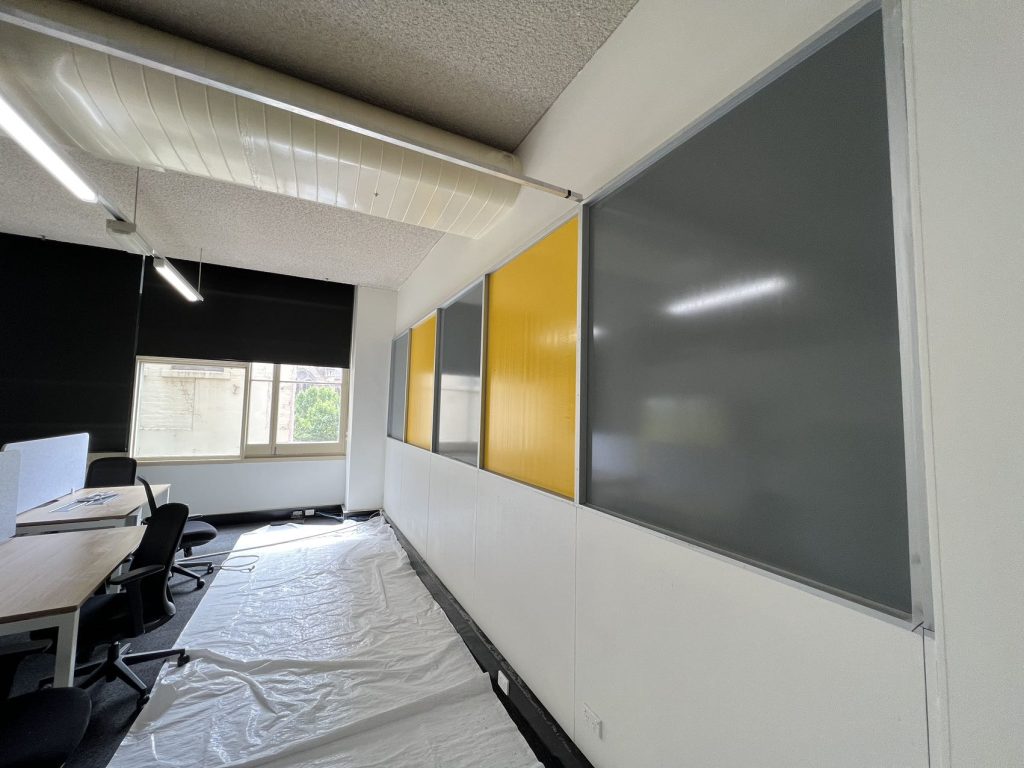
Beyond thermal performance, Melbourne window frosting excels at combining style and practicality. Frosted layers scatter incoming light, producing even, gentle illumination that enhances interior ambiance. Zoned privacy can be achieved by adding selective window tint strips or borders—opaque where needed and clear elsewhere. Architects and homeowners can create visually engaging façades without sacrificing performance. Whether opting for geometric frosting patterns or frosted branding elements, these techniques ensure your home is both beautiful and energy-efficient.
Conclusion: Integrating Science and Style for Melbourne Homes

Through the application of window tint and Melbourne window frosting, residents in Melbourne may save money on energy bills while enjoying warmer winters, cooler summers, and more privacy. These film technologies offer quantifiable performance enhancements, ranging from sophisticated frosting microstructures to UV blocking and infrared reflection. Consider having both tinted and frosted films professionally installed to update your house with modern options. Find out how custom window frosting and window tinting services in Melbourne can turn your home into a chic, eco-friendly haven.
Recent Articles

Melbourne’s Home Of Window Tinting ™

Send Us a Message or Request a Quote
Please fill out the enquiry form below, and we’ll get back to you as soon as possible. You can also upload a photo of your windows to help us provide a more accurate recommendation.
Name(Required)
Drop files here or
Max. file size: 2 MB.